


Beneath the veneer of adulthood lies a simple truth: we are all children in disguise. Despite the facade of grown-up responsibilities and achievements, there are no true adults on this Earth. Why? Because deep within each of us resides a child, still yearning to assert their identity within the intricate tapestry of our shared society.
From our earliest moments, life is filled with the joy of firsts—our first steps, first words, first independent bites. These milestones are celebrated with boundless enthusiasm. Yet, as we age, the exuberant cheers are gradually replaced by the weight of expectations. We are measured against our peers: “Why aren’t you walking yet? The neighbor’s child is already taking steps.” “That kid in preschool can count to 100, and you can barely count to 12.” These comparisons seed feelings of inadequacy, of not being quite enough.
As the years pass, the expectations multiply. The once carefree child begins to grapple with the notion of never measuring up, never quite reaching the bar set by others. This persistent sense of insufficiency becomes a shadow that follows us into adulthood. Despite our accomplishments, the lingering child spirit within us constantly seeks validation, striving to meet ever-rising standards.
Reconnecting with childhood memories can help identify past traumatic events and understand their emotional impact on our adult behavior. By revisiting these memories, we can uncover the roots of our feelings of inadequacy and begin the healing process. This journey promotes self-acceptance and helps us understand why we constantly seek validation.
We tell ourselves that if we can navigate through our current challenges, we will finally find the freedom to craft our own stories and achieve happiness. But reality proves otherwise. At every stage, new expectations emerge, perpetuating the cycle of feeling insufficient—never smart enough, attractive enough, witty enough, hardworking enough. Life becomes an endless chase, where each accomplishment only moves the goalposts further.
Tragically, as adults, we internalize these expectations. We impose them upon ourselves, addicted to the validation they promise. We set goals, aspiring to live in prestigious neighborhoods, enroll our children in elite schools, secure high-status careers. We believe that achieving these milestones will finally affirm our worth. Yet, each new goal brings fresh pressures and the gnawing feeling of still not being enough.
We begin to set these expectations for ourselves, trapped in a mindset that equates self-worth with external validation. We become architects of our own discontent, perpetually chasing an elusive sense of adequacy. This toxic mindset poisons every aspect of our lives. We measure our success by the neighborhood we live in, the schools our children attend, the prestige of our careers. We believe that failing to meet these benchmarks means we are failing at life. This relentless pursuit creates a society of individuals perpetually striving, never satisfied, and ultimately disconnected from their true selves.
This mindset is a formidable adversary and is extremely difficult to eradicate. It festers within, regardless of external achievements, eroding our sense of self-worth and authenticity. We judge ourselves by our ability to meet expectations, creating a society of broken children seeking acknowledgment for their accomplishments.
Understanding the Inner Child
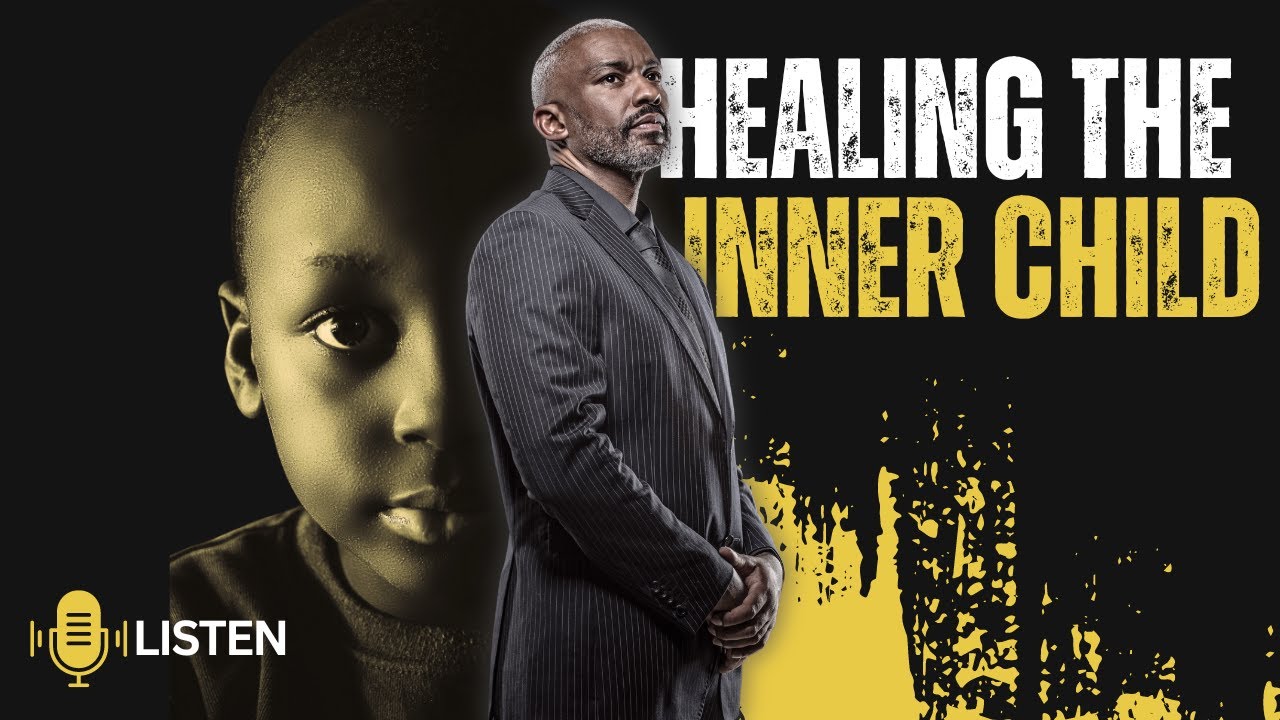
The inner child is a profound concept that refers to the younger self we carry within our adult persona, shaped by our childhood experiences. This part of our psyche holds the essence of our innocence, wonder, and joy, but it also harbors the wounds and fears from our past. The inner child is the wounded child inside us, who, despite our adult appearance, continues to suffer deeply. This suffering child influences our fears, insecurities, and self-loathing, often dictating our reactions and behaviors in adulthood. Understanding the inner child is essential for personal transformation and growth, as it allows us to address the root of our emotional pain and begin the healing process.
The exacerbating effects of childhood trauma
Emotional wounds, whether from specific events or prolonged challenges, alter our perceptions and deepen our inner turmoil. Addressing childhood trauma is crucial for improving mental health and relationships, as unresolved past experiences can lead to pervasive dissatisfaction and a sense of inadequacy. Trauma compounds this issue, further destabilizing our sense of balance.
Connecting with Your Inner Child
Connecting with your inner child requires a journey of introspection and creating a safe space to interact with this vulnerable part of yourself. One effective way to connect with your inner child is through visualization. Picture yourself as a child and engage in a compassionate dialogue with your younger self. Guided meditations can be particularly helpful in this process, as they provide a structured way to access and communicate with your inner child. Visual aids, such as photos of yourself as a child, can also evoke powerful memories and emotions, facilitating a deeper connection. It’s essential to approach your inner child with kindness and reassurance, reminding them that they are safe and supported now.
Inner Child Work: A Path to Healing
Inner child work is a therapeutic technique that involves re-parenting the neglected, abused, or abandoned parts of ourselves from childhood. This process helps individuals work through their past traumas and develop a more compassionate and loving relationship with themselves. Inner child work is based on the understanding that our childhood experiences significantly shape our adult lives. By acknowledging and addressing these past wounds, we can heal and transform our inner child. Engaging in inner child work often involves the guidance of a mental health professional, who can provide the necessary support and tools to navigate this healing journey effectively.
Reclaiming Your Authenticity
Reclaiming your authenticity is a crucial step in the inner child healing process. It involves recognizing and challenging the negative beliefs about yourself that were formed during your childhood. These beliefs often stem from painful childhood experiences and can significantly impact your self-worth and behavior. Through practices such as journaling, meditation, and other forms of self-reflection, you can begin to replace these negative beliefs with positive and empowering ones. By reclaiming your authenticity, you develop a greater sense of self-awareness and self-acceptance, leading to a more fulfilling and meaningful life.
Building Resilience and Confidence
Building resilience and confidence is an essential part of the inner child healing process. It involves developing coping mechanisms and strategies to deal with difficult emotions and situations that arise from past traumas. Practices such as mindfulness, self-compassion, and creative expression can be incredibly beneficial in this regard. By building resilience, you learn to navigate life’s challenges with greater ease and confidence. This, in turn, fosters a stronger sense of self-trust and self-worth, empowering you to lead a more fulfilling and empowered life. Embracing these practices helps you to not only heal your wounded inner child but also to thrive as an adult.
But there is hope
To break free from this cycle, we must reconnect with the child within us. We must embrace our authentic selves, shed the weight of external expectations, and redefine our sense of worth. This journey begins with self-compassion and acceptance, recognizing that our value is inherent, not determined by external measures.
Let us embark on this path together, rediscovering the joy and authenticity that lie within. By embracing our inner child and rejecting the relentless pursuit of external validation, we can create a more fulfilling and authentic life. Join us in this transformative journey—let’s reconnect with our true selves and build a world where we are enough just as we are.
Rediscover your inner child and embrace authenticity. Start today by reflecting on your true self and shedding the weight of external expectations. Share your journey with others and inspire them to join you in creating a more authentic and fulfilling life. Together, we can break free from the cycle of inadequacy and build a society where everyone feels valued and enough.
Share your story, and let’s embark on this transformative journey together.
FAQs:
What is the concept of the “inner child” in psychology?
The inner child represents our original or true self that exists within us from birth. It holds our capacity for innocence, wonder, awe, and joy, but also stores our accumulated hurts and fears from past experiences.
How do societal expectations affect our self-worth?
Societal expectations can create a sense of inadequacy by constantly comparing us to others and setting unattainable standards, which often leads to persistent dissatisfaction and self-doubt.
What does it mean to seek validation, and why is it harmful?
Seeking validation involves relying on external achievements or others’ approval to gauge one’s self-worth. This can lead to a dependency that diminishes self-esteem and fosters a cycle of never feeling ‘enough.’
How can one begin to heal their inner child?
Healing the inner child starts with acknowledging and accepting past pain, practicing self-compassion, and engaging in therapeutic activities that reconnect one to their true self and emotions.
What are the benefits of embracing our inner child?
Embracing the inner child allows individuals to experience a greater sense of authenticity, joy, and freedom in their lives. It encourages a healthier self-relationship and the ability to enjoy life’s simple pleasures.


 By
By


